




News
We believe that helping others is the source of happiness. Leveraging our expertise, we are dedicated to solving your industry-specific challenges.
Viewing Angle of LED Display Screen
Author: SHENZHEN LONGDA LED CO.,LTD.
Click:
What is the viewing angle of this LED display screen?Wide-viewing-angle LED displays deliver better visual performance
The viewing angle of an LED display includes horizontal viewing angle and vertical viewing angle. It refers to the maximum offset angle between human eyes and the screen normal when the brightness and color of the screen fade to 50% of the standard front brightness. Larger angle values mean clearer and less distorted images when viewed from the side.
- 1.Standard commercial LED rental & fixed installation screens: 160° horizontal, 160° vertical (full wide viewing angle);
- 2.Traditional DIP lamp bead screens: narrow vertical viewing angle at 100°–120°, dark images when viewed from top or bottom;
- 3.COB/GOB packaged LED screens: more uniform viewing performance, no whitening or color shift at side viewing positions;
- 4.High-brightness outdoor LED screens: some models adopt slightly narrowed vertical angles to enhance front brightness against strong sunlight.

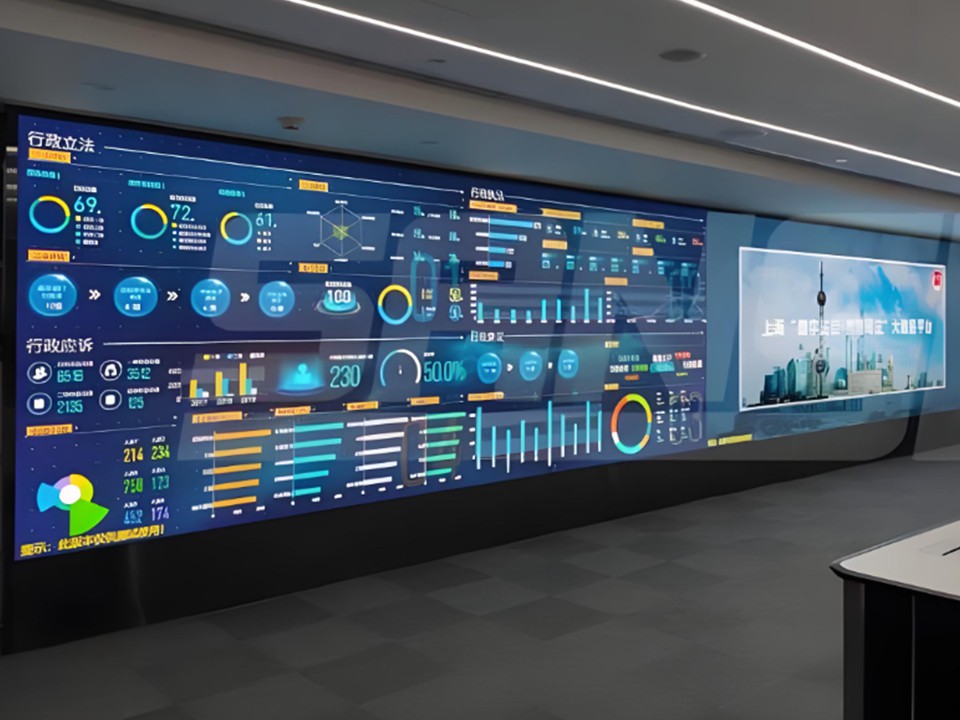
Insufficient viewing angle will cause common defects: whitening from side view, color shift, sharp brightness drop and gray scale loss. High-end packaging technologies can effectively reduce viewing angle attenuation.
- 1.Stage rental LED screens: full 160°/160° wide viewing angle is mandatory to guarantee consistent display for audiences in all positions;
- 2.Single-sided outdoor billboards: prioritize horizontal viewing angle, vertical angle can be moderately reduced;
- 3.Indoor conference screens: vertical viewing angle matters more to fit audiences sitting at different heights.

点击右上角
分享给朋友吧







 Long by picture save/share
0
